Exploring Birth Positions: Finding What Feels Right for Your Body
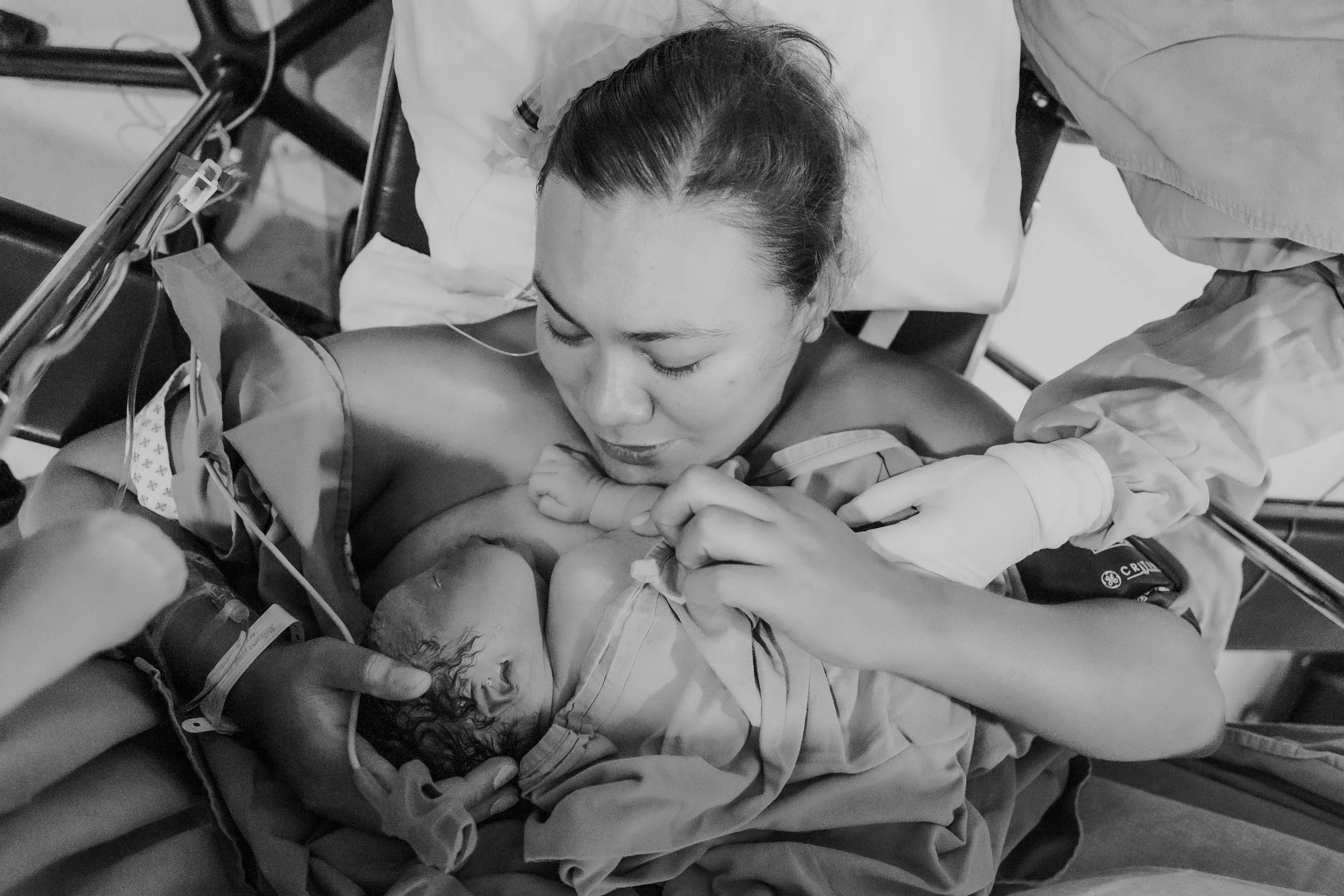
When it comes to birth, one thing is wonderfully true: there is no single “right” way to do it. Bodies are wise, intuitive, and often know exactly how they want to move during birth…if we let them. Yet in many modern medical settings, people are encouraged (or required) to give birth lying on their backs. While this position is common, it isn’t always the most comfortable, supportive, or effective for the birthing body.
One of the biggest benefits to hiring a doula is having someone at your side who can help you listen to your body and what it needs during the throes of giving birth. Part of that is giving you a toolbox of different positions to try. Not everyone feels the most comfortable laying on their back with their knees up, and that’s perfectly okay!
Why Birth on the Back Became Standard
Historically, birthing upright was the norm across cultures. Squatting, kneeling, standing, or leaning forward were common long before hospital beds existed. The shift toward birthing on the back largely came with the rise of modern medicine and hospital-based birth.
From a provider’s perspective, this position can be convenient; it offers clear visibility and easy access for monitoring and interventions. But convenience for the medical team doesn’t always translate to comfort or efficiency for the birthing person.
Upright Positions: Letting Gravity Help
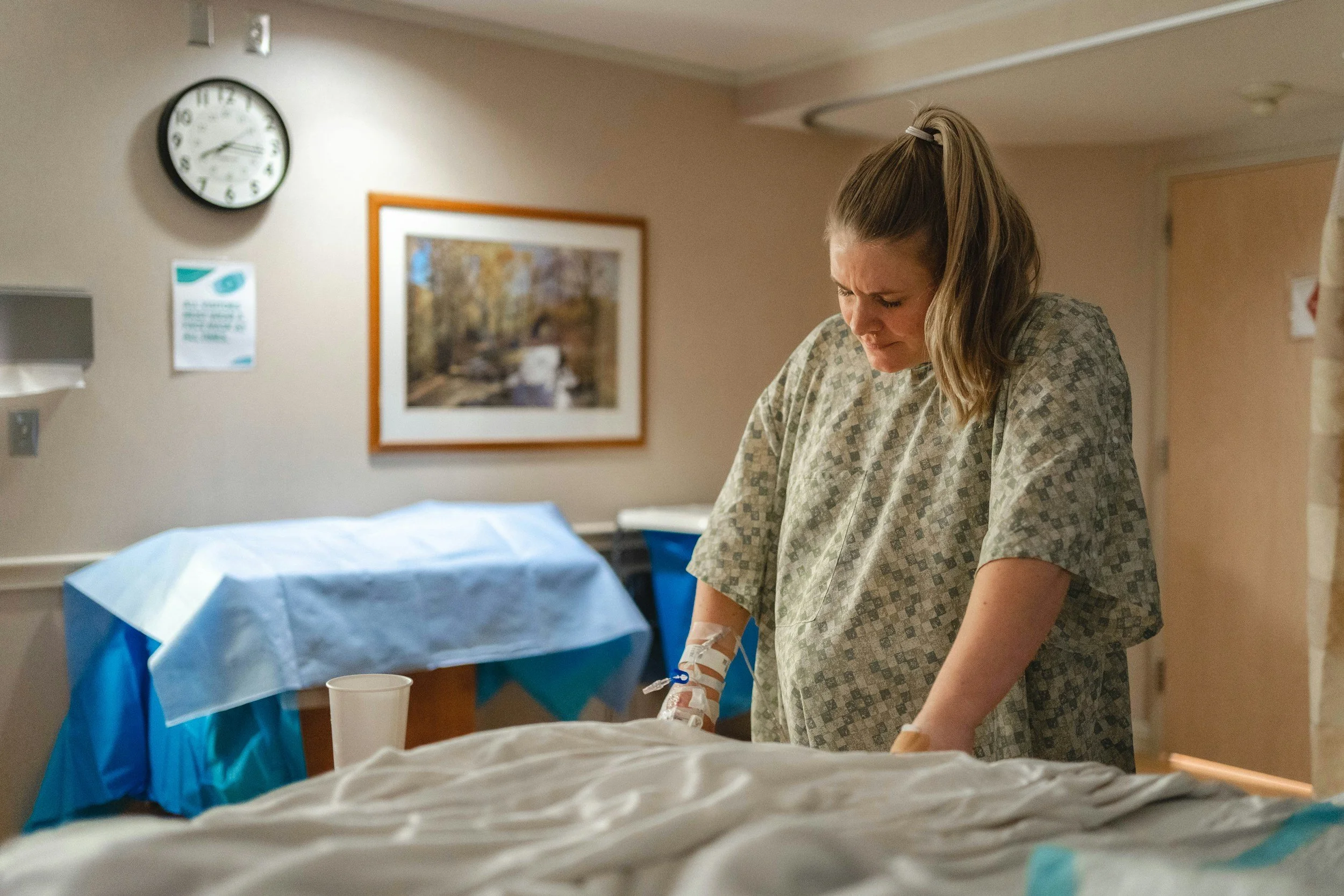
Standing or Leaning Forward
Standing, swaying, or leaning over a bed, counter, or partner allows gravity to gently guide the baby downward. This can encourage steady progress and often feels empowering - like working with the body rather than against it.
Benefits:
Encourages pelvic opening
Can help the baby settle into an optimal position
Often eases back sensations
Promotes a sense of strength and control
Squatting: A Time-Honored Classic
Squatting is one of the most natural birthing positions there is—and one that’s been used for centuries. Millions of births have happened in a squatting position, long before modern medicine came into play. It’s one of the most common and effective positions to try when giving birth.
Why it works:
Opens the pelvis significantly
Uses gravity effectively
Can shorten the pushing phase for some bodies
Support tools like a squat bar, birth stool, or a partner’s arms can make this position more sustainable and comfortable.

Hands and Knees: Gentle and Grounding
Being on hands and knees is a favorite for many, especially when sensations are strong in the lower back. Giving yourself over to this primitive positioning can often feel like you’re tapping into an animalistic side of yourself, which can often feel powerful and primal to get you through the rough parts of birth.
This position can:
Reduce pressure on the spine
Help rotate a baby who is facing upward
Feels calming and steady
Allow intuitive rocking or movement
It’s a beautifully instinctive position—many people naturally move into it without being prompted, and maintain the position throughout birth.
Side-Lying: Restful and Supported
Side-lying is a wonderful option when rest is needed or when a more supported position feels right. It allows your body to rest, your partner to snuggle or rub your back, your eyes to close, and maybe a bit of sleep to creep in.
Benefits include:
Reduced strain on the body
A sense of calm and containment
Gentle progress while conserving energy
Often recommended when there’s a need to slow things down slightly
This position can be especially comforting if exhaustion sets in. Having a baby is strenuous work; a marathon, not a sprint. Resting is part of the recovery needed to complete the marathon strong, and this position helps you recover between contractions.
Following the Body’s Lead
The most important thing to remember? Birth is dynamic. Positions don’t have to be chosen once and stuck with. Many people naturally move through several positions during birth - standing, swaying, kneeling, resting, and changing as sensations shift.
Your body may ask you to move, rock, lean, squat, or rest. That guidance is worth listening to in the moment.
If you’re birthing in a hospital or birth center, it can be helpful to talk ahead of time with your care team about movement and positional freedom. Supportive providers understand that when birthing people feel safe, comfortable, and empowered, birth often unfolds more smoothly. This is also where a doula can be an invaluable resource. Doulas often help advocate, explain, and plan births for their clients, and movement is a huge part of that plan.
A Gentle Reminder
You don’t need to fit your body into a position that doesn’t feel right. Birth is not something that happens to you. It’s something your body actively does, knows how to do, and will do once the process starts no matter what. Exploring different positions gives you options, confidence, and trust in yourself.
Your body is capable. Your instincts are valid. And there is space for you to move in ways that feel good, grounded, and strong. If you have any questions about movement during birth, please reach out and speak with one of our amazing doulas today!