Your Morning Cup & Your Pregnancy Journey: What You Need to Know About Caffeine
Let's talk honestly about one of the most common questions we hear with folks trying to conceive and throughout pregnancy… do you really have to give up coffee?
The short answer: no. Many who drink caffeine, especially heavy caffeine drinkers, become dependent on it. Therefore, stopping cold-turkey caffeine consumption may actually be more harmful than drinking a small amount daily throughout pregnancy. Here's the full picture, without the guilt trip.
If you're trying to conceive or already expecting, chances are you've already Googled "can I drink coffee while pregnant?" at least once (probably at 6 am with a mug in hand). We're going to take a look at everything: how caffeine moves through your body during pregnancy, what the research says about safe amounts, and what to watch for if you've been having a little more than recommended. No shame, just information.

First, why does caffeine affect pregnancy at all?
Caffeine is a stimulant that crosses the placenta easily. This means that it is easily absorbed by your developing baby. While a non-pregnant adult can metabolize caffeine at a normal pace, pregnancy slows that process significantly, especially in the second and third trimesters. That means caffeine stays in your system (and your baby's) much longer than it used to.
Your growing baby also doesn't yet have the liver enzymes needed to break down caffeine on their own, so whatever you consume, they're along for the whole ride. That's worth keeping in mind, especially in the early weeks when so much development is happening at lightning speed!
Caffeine & conception: does it matter before pregnancy too?
Yes, and this one often surprises people. Research suggests that high caffeine intake can affect fertility for all genders. For those trying to conceive, caffeine may reduce blood flow to the uterus and affect implantation. For partners with sperm, high caffeine consumption has been associated with reduced sperm quality in some studies.
That said, moderate consumption during the trying-to-conceive phase doesn't appear to cause significant harm for most people. If you're working through assisted reproduction (like IVF), your care team may give you more specific guidance. In truth, it's always worth asking about, especially if you rely heavily on caffeine to get you through the day!
So... how much is actually "safe"?
Most major health organizations — including the American College of Obstetricians and Gynecologists (ACOG) and the World Health Organization (WHO) — currently recommend limiting caffeine to 200mg or less per day during pregnancy. Some practitioners suggest erring even lower, around 150mg.
To put that in perspective: a standard 8oz cup of drip coffee contains around 95mg of caffeine, a single espresso shot roughly 63mg, an 8oz black tea about 47mg, and green tea around 28mg. A 12oz cola runs about 34mg, and even a small square of dark chocolate carries around 12mg. So yes — one modest cup of drip coffee a day generally keeps you well within the 200mg guideline. A large specialty coffee drink, on the other hand, might get you there in one go.
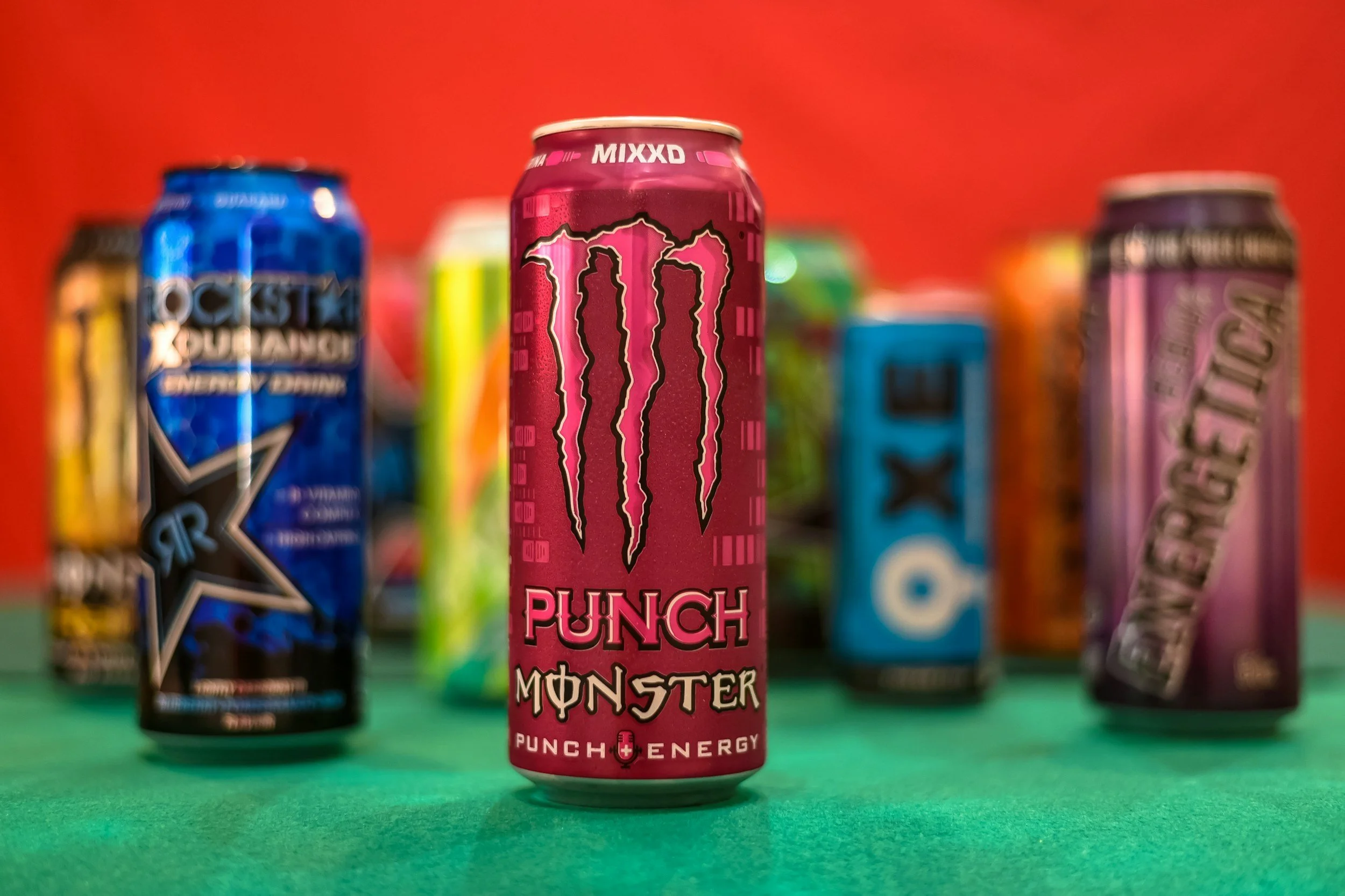
The key is knowing what you're consuming and adding it all up, because caffeine hides in more places than just your morning brew! Think iced teas, energy drinks, some medications, and even chocolate.
What happens if you've had more than 200mg?
Let's be very clear first: one high-caffeine day is not going to cause harm. The research looks at regular, ongoing consumption — not the latte you didn't realize was a double shot last Tuesday. Please don't panic over one cup, one slip-up, or one mistake in calculations. We are only human, and human error is expected.
That said, consistently consuming more than 200–300mg of caffeine per day during pregnancy has been associated with an increased risk of a few outcomes worth knowing about.
Lower birth weight is one of the more consistently noted concerns — some studies suggest a link between high caffeine intake and babies born smaller than expected. This matters because birth weight can influence a baby's health in the newborn period and beyond. The data here is more robust than for some other outcomes, which is part of why the 200mg limit has persisted across major health guidelines for years.
The first trimester may be the most sensitive window. Some observational studies have found higher rates of early pregnancy loss among people who consumed large amounts of caffeine, though it's difficult to establish a direct cause and effect. If you're in those early weeks and feeling uncertain, erring on the lower side is a reasonable choice.
Practical tips for cutting back (without losing your mind)
Cutting back on caffeine, especially if you're used to several cups a day, is best done gradually. Going cold turkey can lead to headaches, fatigue, and irritability… not what you need on top of everything else going on with your body during pregnancy!
Gentle ways to reduce your intake:
Switch from drip coffee to a half-caf blend — it's an easy, almost unnoticeable swap
Try a smaller cup size rather than eliminating coffee entirely
Replace one daily cup with a naturally low-caffeine herbal tea (check labels — not all herbal teas are pregnancy safe)
Watch for hidden caffeine in energy drinks, pre-workout supplements, some headache medications, and iced teas
If coffee is ritualistic for you, try a decaf version of your favorite drink to keep the comfort of the routine
Reduce by one cup per week rather than all at once to minimize withdrawal symptoms

The bottom line
You don't have to give up caffeine entirely, and you definitely don't have to feel guilty about enjoying a carefully measured morning cup. The goal is awareness and moderation, not perfection.
Staying at or below 200mg per day is a reasonable, evidence-backed target for most pregnant people. If you're trying to conceive, keeping your intake moderate (ideally under 200mg as well) is a gentle, proactive step. And if you've been over the limit some days? Take a breath, adjust where you can, and talk to your care provider if you have specific concerns.
Have questions? Reach out! We’d love to chat with you about your caffeine intake and how to help make things easier throughout pregnancy and beyond!