Bringing a new life into the world is one of the most profound things your body will ever do. And just like training for a marathon or preparing for any major physical event, the months leading up to your birth experience are a golden opportunity to strengthen, nourish, and tune in to your body.
Fuel Your Body with Birth-Ready Nutrition
What you eat throughout your entire pregnancy, especially during the third trimester, directly shapes how your body performs during birth. Think of food as your foundation for a strong, healthy, capable body able to go the distance during labor and birth.
Dates - Research suggests that eating 6 dates per day in the final weeks of pregnancy can help ripen the cervix and reduce the length of early birth. They're sweet, filling, and help your body get prepared for dilation! Note: if you’ve got gestational diabetes, talk with your healthcare provider, because dates are high in sugar.
Protein - Aim for 80–100 grams per day. Protein supports uterine muscle function during pregnancy and keeps your energy stable during the intense work of birth, as well as aids in muscle recovery post-partum.
Iron-rich foods - Spinach, lentils, grass-fed beef, and pumpkin seeds help maintain healthy blood levels, which matters significantly for recovery. Keeping your iron levels up throughout pregnancy can also help with light-headedness, support placenta growth, and the baby’s development.
Healthy fats - Healthy fats like those found in avocado, salmon, walnuts, and olive oil support hormone production and reduce inflammation, two things that can be super helpful both before and after birth!
Complex Carbs - being pregnant is A LOT of work. You’re expending an additional 50,000 calories on average over 9 months - that’s roughly 340 - 450 extra calories per day! Complex carbs - such as quinoa, brown rice, whole wheat bread, etc. - help to keep your energy levels up and regulated throughout the day.
Hydration - Your muscles, including and especially your uterus, need water to work efficiently. Aim for at least 10 cups a day and more in the weeks leading up to your birth, and keep that going for post-partum. Especially for those who plan to breastfeed, hydration is extremely important to ensuring your milk production stays steady!
What should you work on limiting in your diet? While pregnancy cravings are certainly a thing, and everything in moderation is fine, items with significantly lower nutritional value that should be consumed sparingly are:
Ultra-processed foods - energy bars, mass-produced bread, instant noodles, frozen meals, etc.
Excess sugar - soft drinks, potato chips, crackers, candy bars, pastries, etc.
Caffeine - coffee, tea, energy drinks, chocolate (200mg of caffeine daily is recommended during pregnancy)
Too much of the above foods (whether you’re pregnant or not!) can affect sleep, energy, and your nervous system overall if eaten in excess. This is especially true during pregnancy, and can cause other complications such as high blood pressure, gestational diabetes, and preeclampsia.

Move Your Body with Intention
Exercise during pregnancy isn't just safe or recommended. It's one of the most powerful things you can do to prepare. The goal isn't performance or personal bests; it's positioning, endurance, and body awareness.
Walking is genuinely underrated. Walking for 3 miles a day encourages your baby into an optimal position and builds the cardiovascular stamina you'll draw on throughout birth. It also supports mental health, a bonus that pays dividends in the birthing room and during the fourth trimester. You can break these miles up into 15 - 30 minute walks throughout the day to hit your steps and reach your goal!
Prenatal yoga is another cornerstone. Beyond flexibility, it teaches you how to breathe into discomfort, how to release tension from your hips and pelvic floor, and how to stay present, skills that are directly transferable to navigating the sensations of birth with more ease.
Squats and hip circles open the pelvis and strengthen the muscles that support birth. Try 20–30 squats a day, and spend time on a birth ball rolling your hips in slow, wide circles. This movement alone can make a meaningful difference in how your baby descends.
Hands and knees positioning (also called all-fours) is wonderful in late pregnancy. It takes pressure off your back, encourages an anterior baby position, and is a position many birthing people find instinctively comforting during birth itself.
Train Your Nervous System for Birth
Birth is an experience of intense sensations. How your nervous system interprets those sensations - as something to fear or as something to ride - can profoundly shape your birth experience.
Practices like HypnoBirthing, Birthing From Within, or mindfulness-based birth preparation are not about wishful thinking. They rewire the fear-tension-sensation cycle by teaching your brain to respond to intensity with relaxation rather than resistance.
Daily deep belly breathing (inhale for 4 counts, exhale for 8) activates the parasympathetic nervous system - your "rest and digest" mode - which is the very state that allows birth to progress most efficiently. Practice this every single day, especially when you feel stressed and need a moment to re-ground and return to your body.
Cold exposure, like ending your shower with 30–60 seconds of cold water, can also build your capacity to stay calm in the face of physical intensity. It sounds small, but it's a genuine tool that helps prime your nervous system for intense sensations of birth.

Prepare Your Pelvic Floor — But Not How You Think
Here's something that surprises many pregnant people: the pelvic floor preparation for birth is less about tightening and more about learning to release.
Yes, a strong pelvic floor matters. But a pelvic floor that can't let go can work against you during birth. The real skill is coordinated relaxation; being able to breathe deeply and consciously soften those muscles on command.
Working with a pelvic floor physical therapist during pregnancy can be one of the most worthwhile investments you can make. They can assess your specific muscle patterns and give you targeted guidance based on your body and your needs. Perineal massage beginning at 34–36 weeks has solid evidence for reducing tearing and helping the perineum become more pliable. It can feel awkward at first, but it is a tangible, practical preparation tool that can save you from a lot of extra pain later on.
Nourish Your Mind and Support System
Physical preparation only goes so far without emotional readiness. Your mindset, your environment, and the people surrounding you are just as important as your diet and fitness.
Process your fears. Write them down, talk them through with your doula or therapist, or join a birth circle or birthing classes to help address and prepare for those fearful situations. Unaddressed fear creates tension, and tension creates discomfort.
Build your birth team intentionally. Choose people - a partner, doula, trusted friend - who believe in you and can hold a calm, confident space, even and especially in the throes of labor. Their energy becomes your energy, and having a strong and steady presence supporting you will only help you through pregnancy, labor, and birth.
Create your birth plan. Going through this process helps you learn your options, have conversations with your provider, and walk into your birth feeling informed and empowered rather than passive. While some things take precedence over preference - such as safety of the birthing parent and the baby - having a birthing plan to follow on the big day gives everyone peace of mind and a path to follow and return to.
Rest. In a culture that glorifies busyness, rest is a radical act of preparation. Sleep, nap, reduce your commitments. Your body is doing extraordinary work, even when you're still. Remember that rest and recovery are key components of pregnancy and birth, and the importance cannot be overstated!
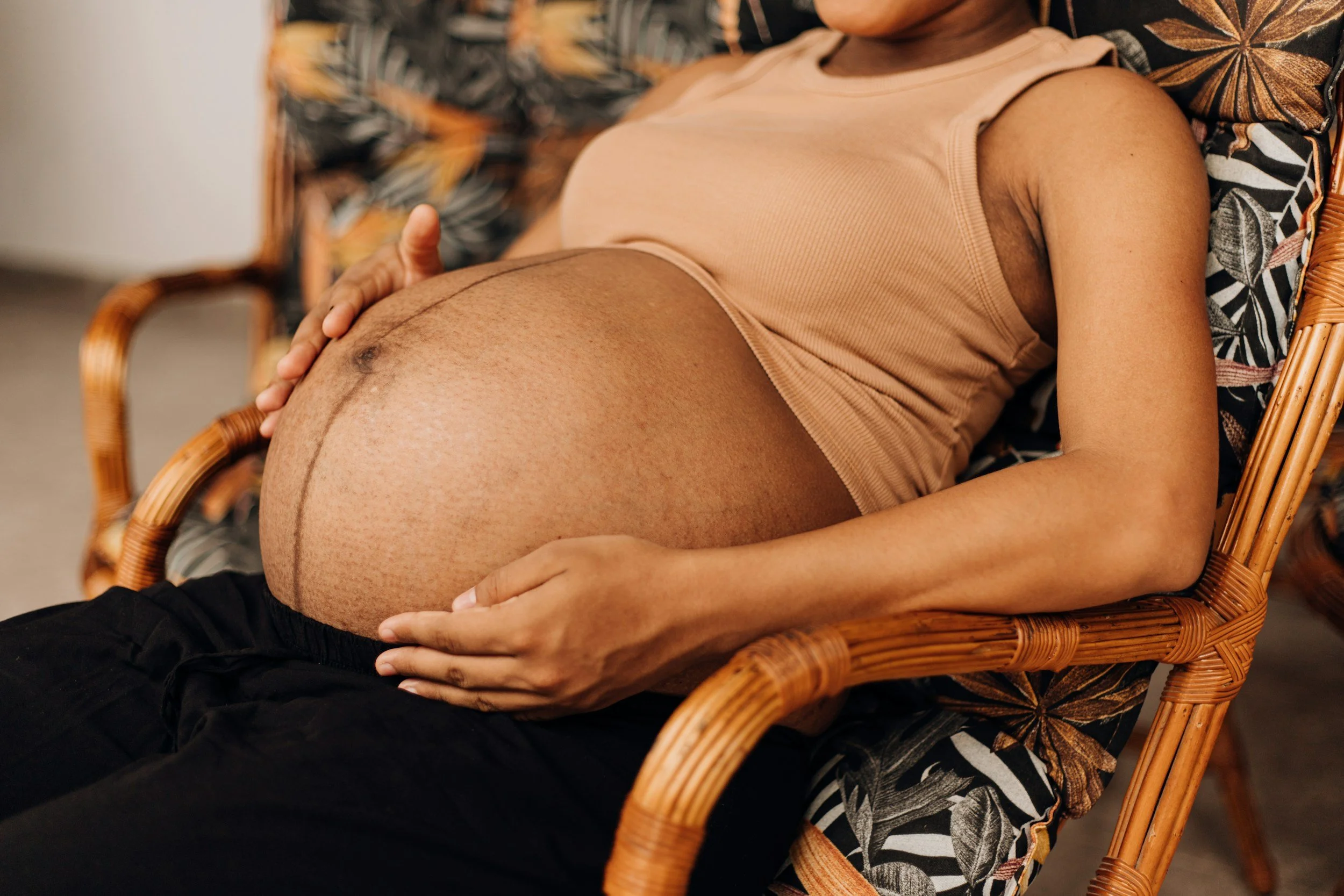
Lastly, it’s helpful to stop thinking of pregnancy and birth as something that happens to you. Instead, framing it as something you move through, actively and powerfully, can put the control back in your hands. The preparation you do in the weeks and months before is an act of deep self-respect and love for yourself, your body, and the child you're about to meet.
If you want to learn more about how to best support yourself, or how others can best support you through pregnancy and birth, reach out! We’d love to talk!